Aggressive Dog Behavior Help: Behavior Modification for Aggressive Dogs, by Chris Maynard
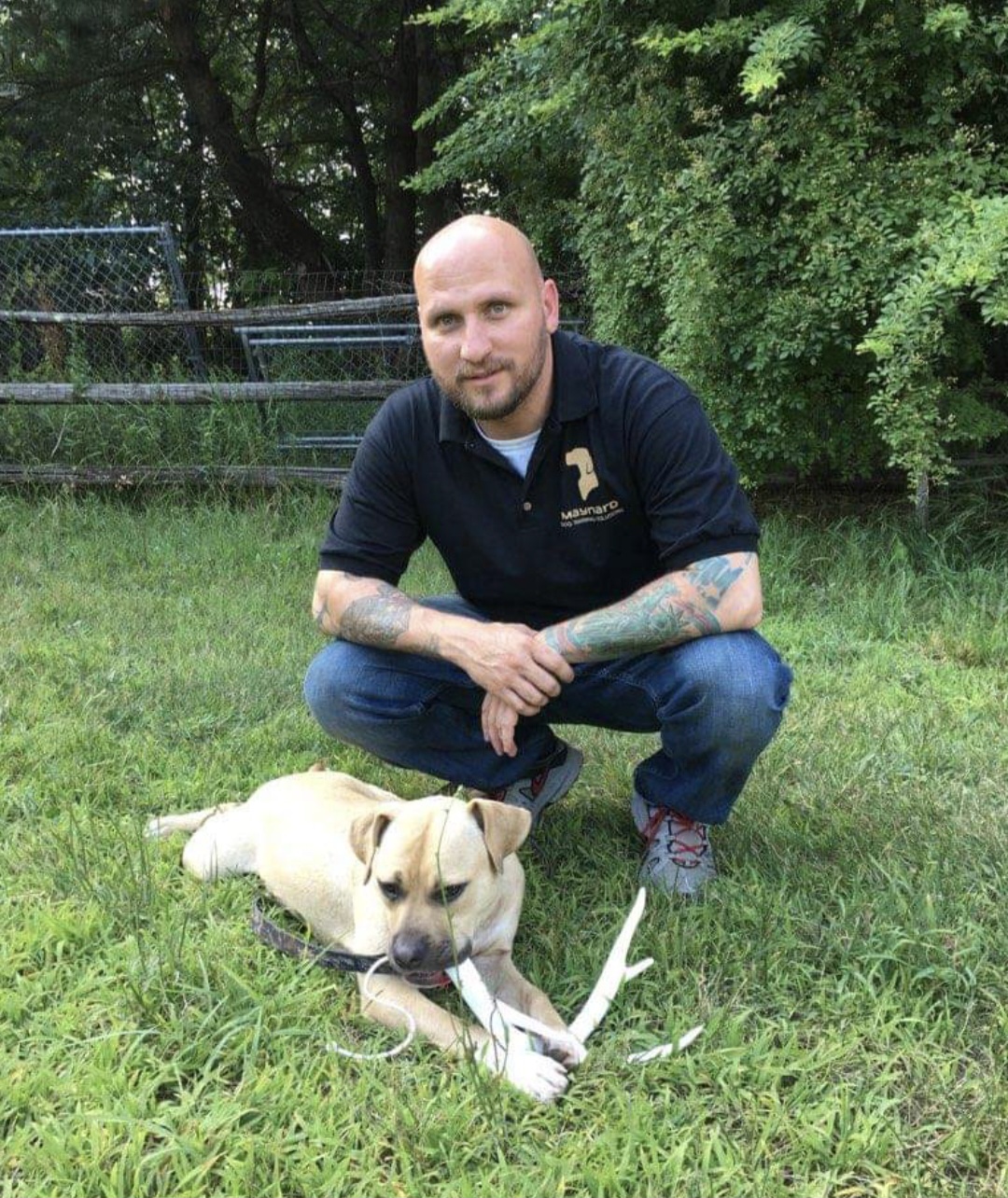
Aggressive behavior in dogs can be dangerous. It affects the safety of the dog, the owner, and others. I understand the urgency to address this issue. This post offers clear, practical advice on managing and changing aggressive behavior in dogs. The goal is to help dog owners in across the United States, find effective solutions.
Understanding Aggressive Dog Behavior Help
Aggression in dogs shows in many ways. Growling, snapping, biting, and lunging are common signs. These behaviors often stem from fear, pain, or territorial instincts. It is important to identify the cause before starting any training.
Aggression can be directed at people, other dogs, or even objects. Each type requires a different approach. For example, fear-based aggression needs gentle desensitization. Territorial aggression may need boundary training.
Safety is the first priority. Use a muzzle if necessary during training sessions. Avoid situations that trigger aggression until the dog shows improvement.
What are the 4 F's of Dog Behavior?
The 4 F's are Fight, Flight, Freeze, and Fidget. These are natural responses dogs use when stressed or threatened.
Fight means the dog chooses to confront the threat. This is often seen as aggression.
Flight means the dog tries to escape the situation.
Freeze means the dog becomes still and unresponsive.
Fidget means the dog shows nervous movements or pacing.
Recognizing these responses helps in managing aggressive dogs. For example, a dog that freezes may need slow, calm exposure to triggers. A dog that fights may need controlled training to reduce reactivity.
Behavior Modification Techniques for Aggressive Dogs
I recommend using behavior modification techniques for aggressive dogs to change unwanted behaviors. These techniques focus on changing the dog’s emotional response to triggers.
One common method is counter-conditioning. This means pairing the trigger with something positive, like treats. Over time, the dog learns to associate the trigger with good things instead of fear or anger.
Another method is desensitization. This involves exposing the dog to the trigger at a low intensity. Gradually, the intensity increases as the dog remains calm. This helps the dog build tolerance without reacting aggressively.
Consistency is key. Training sessions should be short but frequent. Always reward calm behavior. Avoid punishment, as it can increase fear and aggression.

Tools and Equipment for Managing Aggression
Certain tools can help manage aggressive dogs safely. These include:
Muzzles: Prevent biting during training or walks.
Leashes and harnesses: Provide control without causing pain.
Head halters: Help guide the dog’s head and reduce pulling.
Use these tools as part of a training plan. They are not solutions on their own. Proper use requires knowledge and care.
I suggest consulting a professional trainer for guidance. They can recommend the best tools for your dog’s specific needs.
Creating a Safe Environment for Training
A calm, controlled environment is essential for success. Choose a quiet place with few distractions. This helps the dog focus and reduces stress.
Start training sessions with low-level triggers. For example, if your dog reacts to other dogs, begin at a distance where your dog stays calm. Gradually decrease the distance over time.
Keep sessions short, about 5 to 10 minutes. End on a positive note. Avoid forcing the dog into situations that cause high stress.

Monitoring Progress and Adjusting Training
Track your dog’s behavior during training. Note improvements and setbacks. This helps adjust the plan as needed.
If aggression worsens or does not improve, seek professional help. A certified dog behaviorist can provide personalized support.
Remember, behavior modification takes time. Patience and consistency are essential. Celebrate small victories. Each calm response is progress.
Moving Forward with Confidence
Aggressive dog behavior help is available. Using proven methods, you can change your dog’s behavior safely. Focus on understanding triggers, using proper tools, and creating a calm training environment.
Maynard Dog Training Solutions offers expert guidance for dog owners, locally in Boston, Providence, & Hartford. Their personalized programs help transform chaotic dogs into calm companions.
Start today with small steps. Your dog can learn to respond calmly. You can enjoy a safer, happier relationship.


Comments